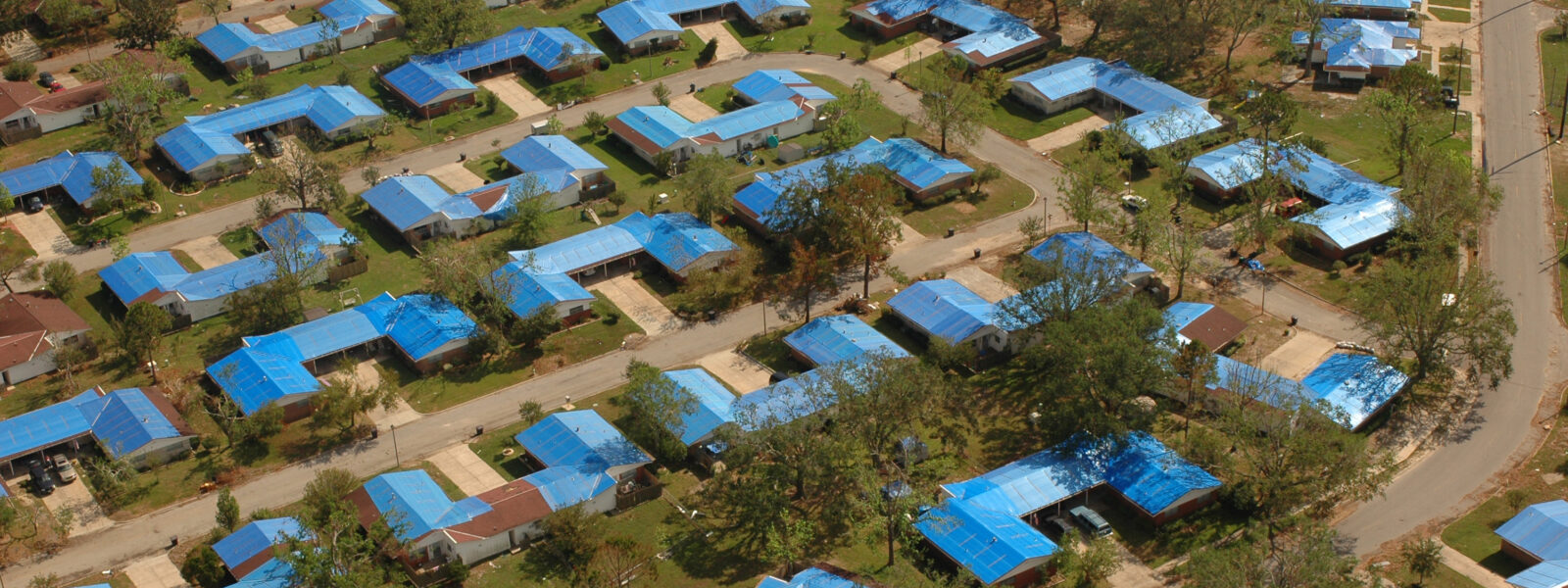
We are not FEMA, SBA, or an insurance company. We aim to help you navigate how to apply for and receive aid after a disaster. The steps below apply whether you are recovering from a hurricane, tornado, or severe thunderstorm.
Step 1. Recover and Protect Your Property
Start by safely securing and protecting your home before repairs begin. The Insurance Institute for Business and Home Safety provides guidance for both hurricane and tornado recovery:
Step 2. File Your Insurance Claims
- File claims with your insurer for both homeowners and flood insurance. Understand your deductibles. You are responsible for those costs.
- Use the NFIP Claims Handbook to understand the flood insurance claims, repair, and rebuilding process.
- Avoid fraud. An Assignment of Benefits (AOB) contract gives a contractor your insurance claim. Talk with your insurance company directly. Get three repair quotes in writing on company letterhead. Verify your contractor's state license. Learn how to avoid contractor fraud and download the Contractor Fraud Checklist.
- When re-roofing, build to the FORTIFIED standard to strengthen your home and qualify for insurance discounts.
Step 3. Apply for FEMA and SBA Disaster Assistance
- Apply for FEMA disaster assistance at disasterassistance.gov or call 1-800-621-3362, even if you have insurance.
- Apply for SBA disaster loans. Applying can unlock additional assistance even if you do not take the loan. SBA loans can provide up to 20% additional funding specifically for mitigation upgrades, such as rebuilding to the FORTIFIED Home™ standard, beyond the cost of basic repairs.
- If your home is damaged, do not answer "no" to housing or rental assistance when applying. Those options cover temporary housing while you rebuild. Declining may make you ineligible for some assistance.
Rebuild to the FORTIFIED Standard
A disaster is the best opportunity to rebuild stronger. A FORTIFIED Roof keeps your roof on and the water out during future storms, reduces your insurance premium, and increases your home value. IBHS field findings after Hurricane Sally found that over 95% of FORTIFIED homes in the storm's path had little to no damage or insurance claims. A May 2025 peer-reviewed study confirmed those results, finding FORTIFIED Roof homes had 73% fewer claims and 72% lower total losses than standard construction in the same storm. Many states offer grant programs that can help cover the cost of re-roofing to the FORTIFIED standard during disaster recovery.
Frequently Asked Questions
Should I wait for FEMA before starting repairs?
Do not wait to secure and protect your property. Temporary repairs to prevent further damage are appropriate and generally covered. However, do not begin permanent repairs or full reconstruction until you have filed your insurance claim and received guidance from your adjuster.
What is an Assignment of Benefits contract?
An AOB contract transfers your insurance claim rights to a contractor. Once signed, the contractor negotiates directly with your insurer, leaving you out of the process. Avoid signing any AOB agreement without first consulting your insurer.
Can I use SBA loans even if I have homeowners insurance?
Yes. You should apply for SBA disaster assistance regardless of your insurance coverage. SBA loans can provide additional funding beyond what your insurance covers, including up to 20% extra for mitigation upgrades like a FORTIFIED Roof.
What if I cannot afford to rebuild to the FORTIFIED standard?
Several states offer grant programs specifically for disaster recovery that cover part or all of the cost to re-roof to the FORTIFIED standard. Check the resource map to see what is available in your state. Find Grants and Incentives in Your State
How do I find a qualified contractor after a storm? Use the IBHS professional directory to find FORTIFIED-certified roofers and evaluators in your area. Hiring a certified professional protects you from fraud and ensures your roof qualifies for the FORTIFIED designation. Find a Professional