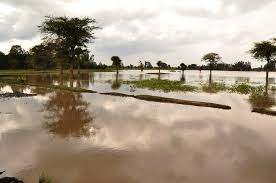
Flooding is the most common and most costly natural disaster in the United States. Most people do not know that every state is at risk for flash floods or that everyone lives in a flood zone. Test your flood knowledge with these five facts.
1. Six inches of fast-moving water is enough to knock a person down. Do not try to walk through floodwaters. The water is often much deeper than it appears and can contain dangerous debris and contaminants.
2. 66% of flood-related deaths involve drivers attempting to drive through water. Never drive through water when you do not know how deep it is. Twelve inches of water is enough to sweep away a small car. Two feet can sweep most vehicles away.
3. New land development can increase flood risk. New construction changes the natural runoff patterns of an area. Land that has never flooded can become higher risk after nearby development. When building or buying a home, ask your builder about drainage and runoff before you commit.
4. Nearly 30% of flood insurance claims come from outside high-risk flood zones. According to FEMA, flooding can happen anywhere it rains. Even if your property is not in a designated Special Flood Hazard Area, you are still at risk. Flood insurance is often surprisingly affordable outside high-risk zones.
5. Flood insurance is separate from homeowners insurance. Even if you have homeowners insurance, you are not covered for flood damage unless you have a separate flood policy. There are two options: the National Flood Insurance Program (NFIP) and private flood insurance. Private policies often offer higher coverage limits and no waiting period. Learn more about your flood insurance options.
See more resources about flood risk and flood insurance on our Flood Insurance page or use the Incentives and Resource Map to find flood mitigation programs available in your state.
Is Your Home Protected from Flooding?
Homeowners insurance does not cover flood damage. Find out what flood insurance covers, what it costs, and how to get protected before the next storm.