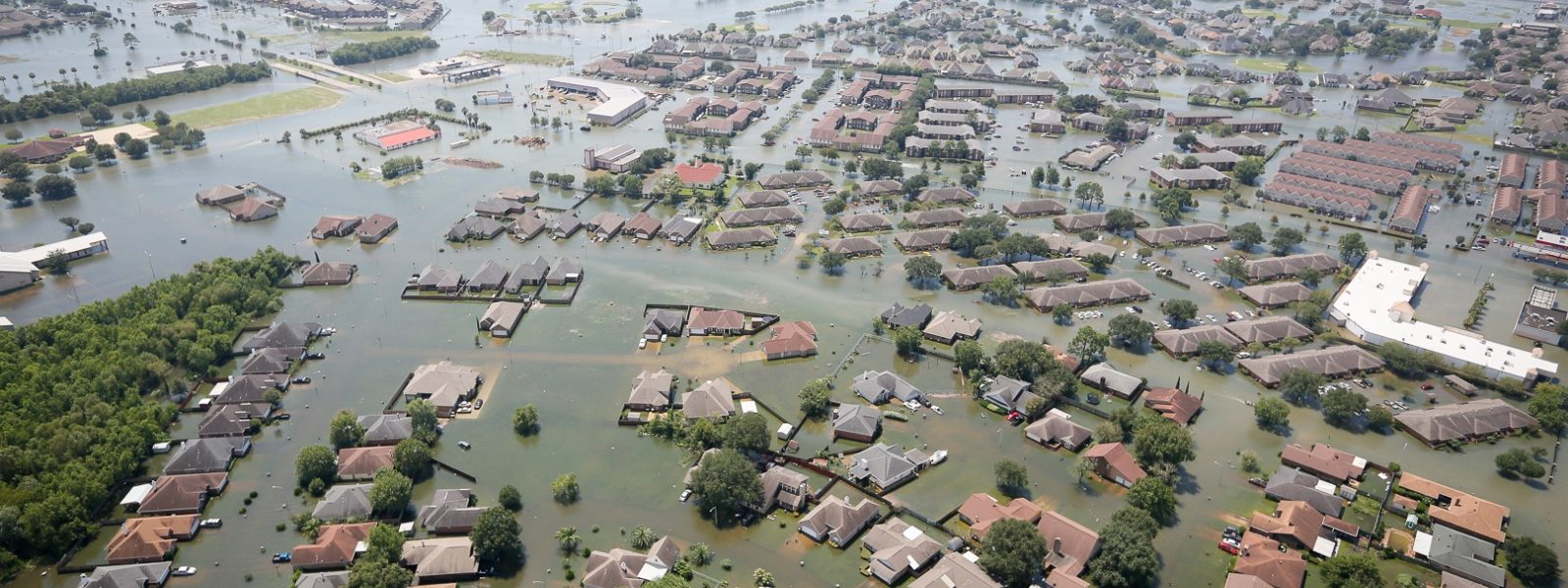
The Facts About Flooding
Flooding causes more damage in the US than any other natural disaster. Here is what the data shows.
90% of all presidentially declared disasters involve flooding. All 50 states have experienced flooding or flash flooding in the past five years. Floods cost an average of $6 billion in losses every year.
Over 30% of all flood insurance claims come from homes outside high-risk flood zones. That means your neighbors who are not required to have flood insurance are still filing claims. One inch of water in your home can cause more than $25,000 in damage.
Homes in a 100-year floodplain have a 26% chance of flooding over the life of a typical 30-year mortgage. Approximately 38% of all NFIP flood claims are repetitive loss claims from the same properties flooding again and again.
Flooding is the only natural hazard for which the federal government provides insurance through the National Flood Insurance Program (NFIP). Many federally backed NFIP policies carry a 30-day waiting period before coverage takes effect. Some private market policies have shorter or no waiting periods.
What Causes Flooding
Flooding has many causes, and most of them are outside your control. What you can control is how prepared you are.
Hurricanes and tropical storms are the primary cause of flooding along the Gulf Coast and Eastern United States. Storm surge, heavy rain, and inland flooding can affect properties far from the coast.
Snowmelt and rainstorms are the leading causes in the Western United States. Rapid snowmelt combined with rain can overwhelm rivers and drainage systems quickly.
River flooding (fluvial flooding) occurs when rivers and streams overflow their banks due to sustained rainfall or snowmelt upstream. Properties well inland from the river itself can be affected.
Surface water flooding (pluvial flooding) happens when rainfall overwhelms drainage systems or saturates the ground faster than water can drain away. It can occur far from any body of water.
Coastal flooding is driven by storm surge, high tides, and wave action. Sea level rise is increasing the frequency and reach of coastal flood events over time.
Other causes include dam or levee failure, infrastructure failure, and development that changes natural drainage patterns. Land that has never flooded before can become flood-prone after new construction nearby.
How Your Community Affects Your Risk
Flood risk is not just about your individual property. Your community’s decisions shape the flood risk for everyone who lives there.
Communities that adopt strong floodplain management ordinances prevent an estimated $1.1 billion in flood damage annually. Communities that participate in FEMA’s Community Rating System (CRS) can earn flood insurance discounts of up to 45% for all NFIP policyholders in the community.
Building codes matter too. Homes built to higher flood standards, including freeboard requirements that elevate structures above the Base Flood Elevation, sustain significantly less damage in flood events and carry lower insurance premiums.
If you want to know whether your community participates in the NFIP or CRS, contact your local floodplain administrator. FEMA’s Community Status Book is also a searchable public resource.
What You Should Do Next
Knowing your risk is not enough on its own. Here is what to do with that knowledge.